Understanding these systems begins with identifying the causal mechanisms behind their behavior (01 — Causal Discovery and Inference). We study how causal knowledge can improve machine learning (02), especially when models encounter new environments or changing conditions. We also explore generative models (03) to capture complex system dynamics and investigate outcomes beyond what has been observed. Building on these capabilities, our research in agentic AI and large language models (04) examines how AI can reason, interact with its environment, and carry out more complex scientific and engineering tasks.
In practice, data are often distributed across different sources, which motivates our work on federated and distributed learning (05). Learning about a system is also closely tied to deciding what to do next, from selecting experiments to improving system performance. These questions drive our research in Bayesian and continuous optimization (06). Throughout our work, problems in manufacturing and human health (07) provide both the motivation for new methods and opportunities to test them in real settings.
Research directions
Causal discovery and inference
We seek to uncover why complex systems behave as they do, even when relationships are hidden within dynamic, high-dimensional, or unstructured observations. The goal is causal knowledge that supports meaningful intervention and scientific discovery.
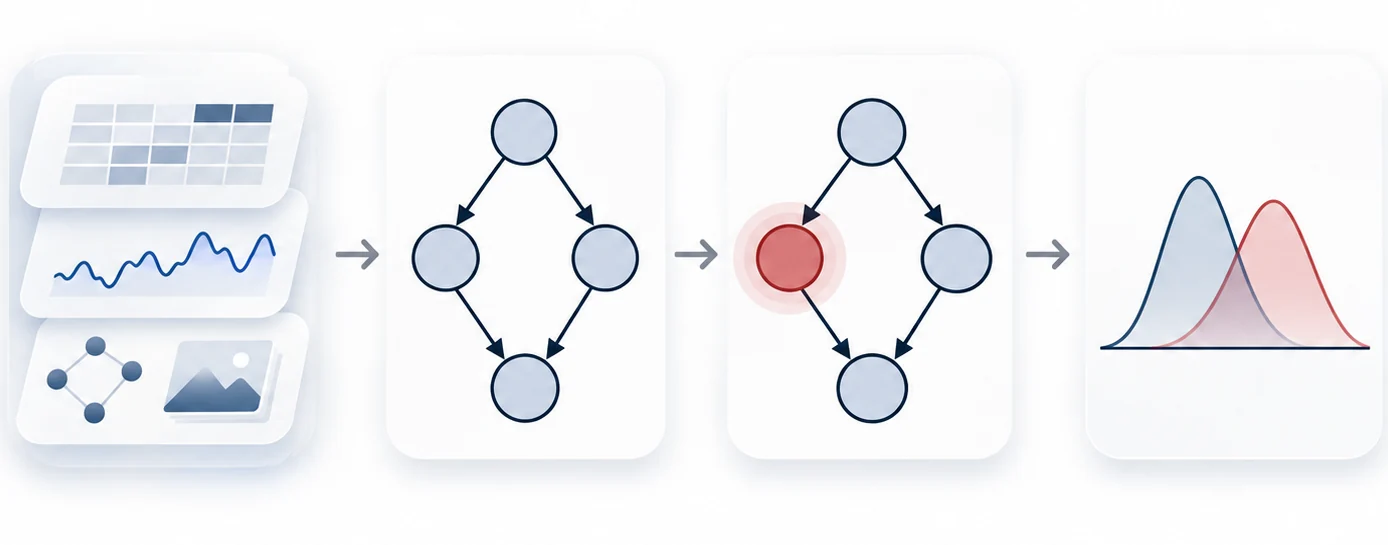
Causality-informed machine learning
We use causal understanding to build learning systems that remain dependable as environments change. This direction connects causal reasoning with robust prediction and adaptive decision-making.
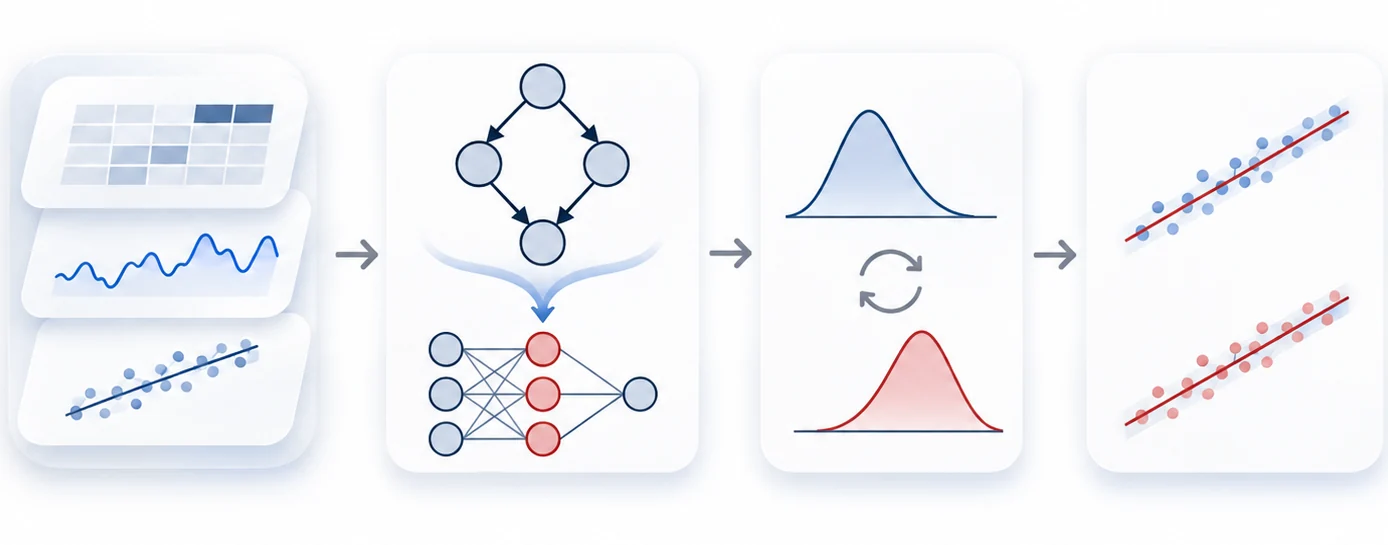
Generative models
We study generative models as a way to represent how complex systems evolve and produce observations. By connecting generation with underlying mechanisms, we aim to support scientific insight, simulation, and discovery.
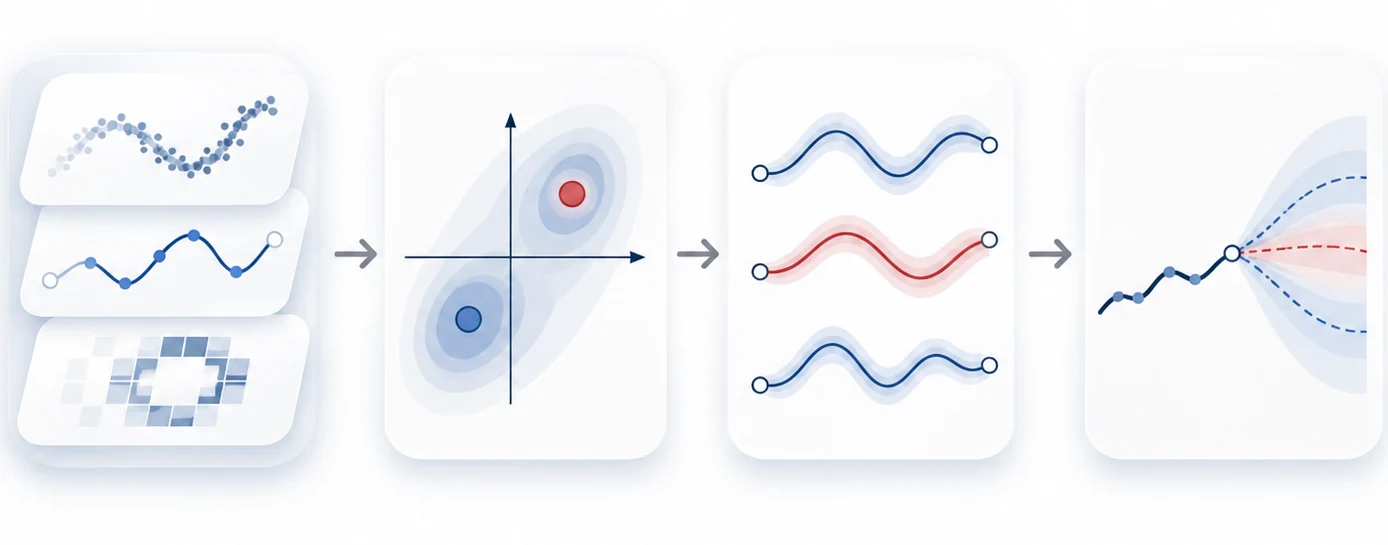
Agentic AI and large language models
We explore AI agents that can reason over evidence, interact with tools, and adapt their actions in complex environments. Our goal is to make language-model-based systems more reliable and useful for scientific and engineering decisions.
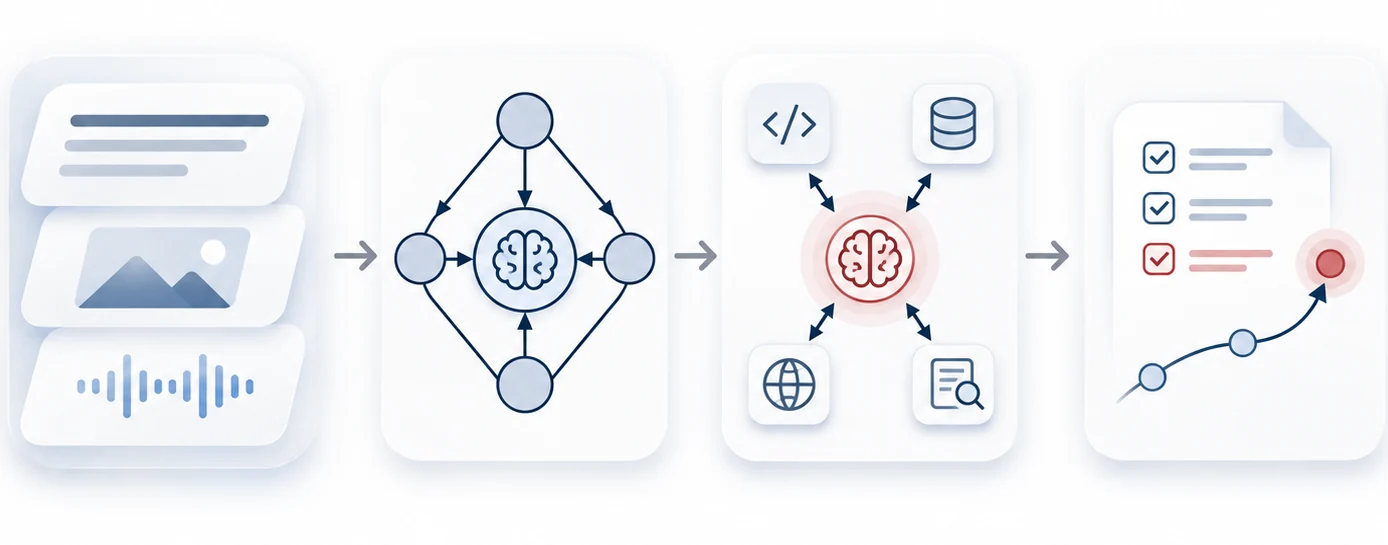
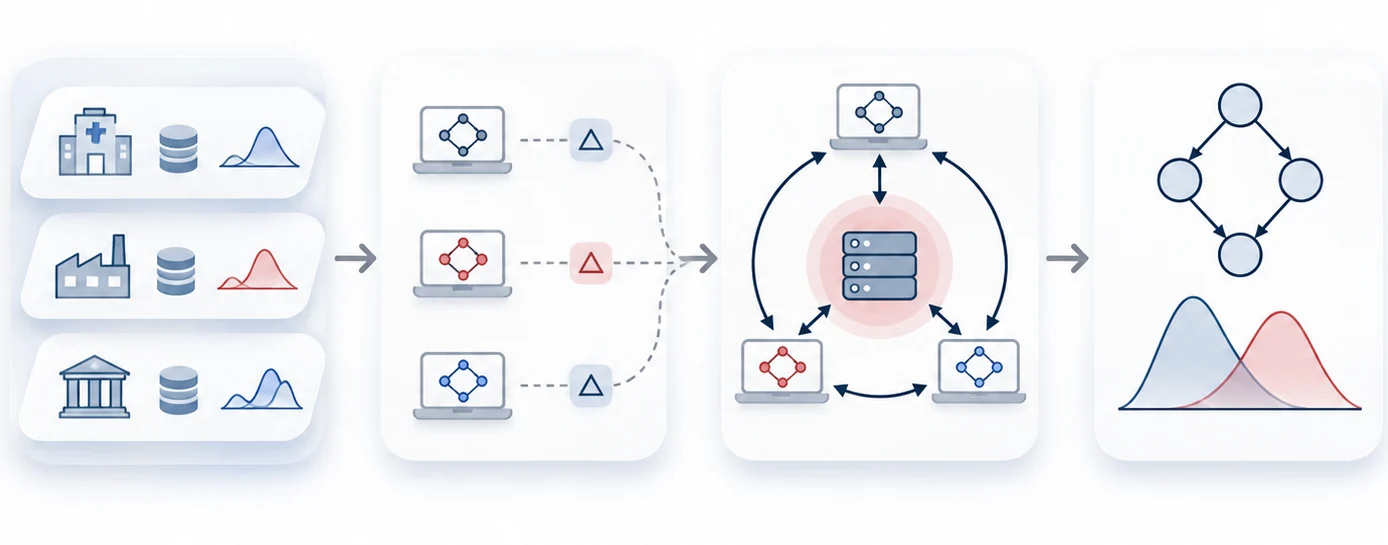
Federated and distributed learning
We develop learning systems that collaborate across organizations and devices without requiring all data to be centralized. We aim to enable effective, trustworthy AI across sites with different needs and data.
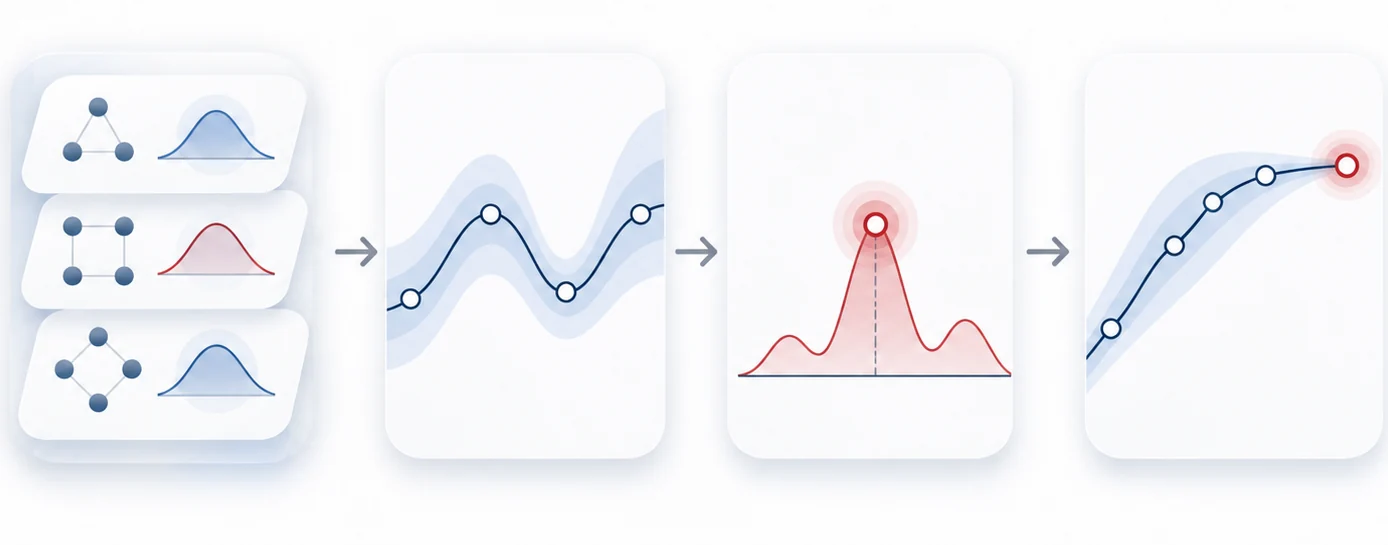
Bayesian and continuous optimization
We design algorithms that learn and make decisions efficiently when experiments are expensive, information is limited, or computing is distributed. This work supports adaptive experimentation and intelligent engineering design.
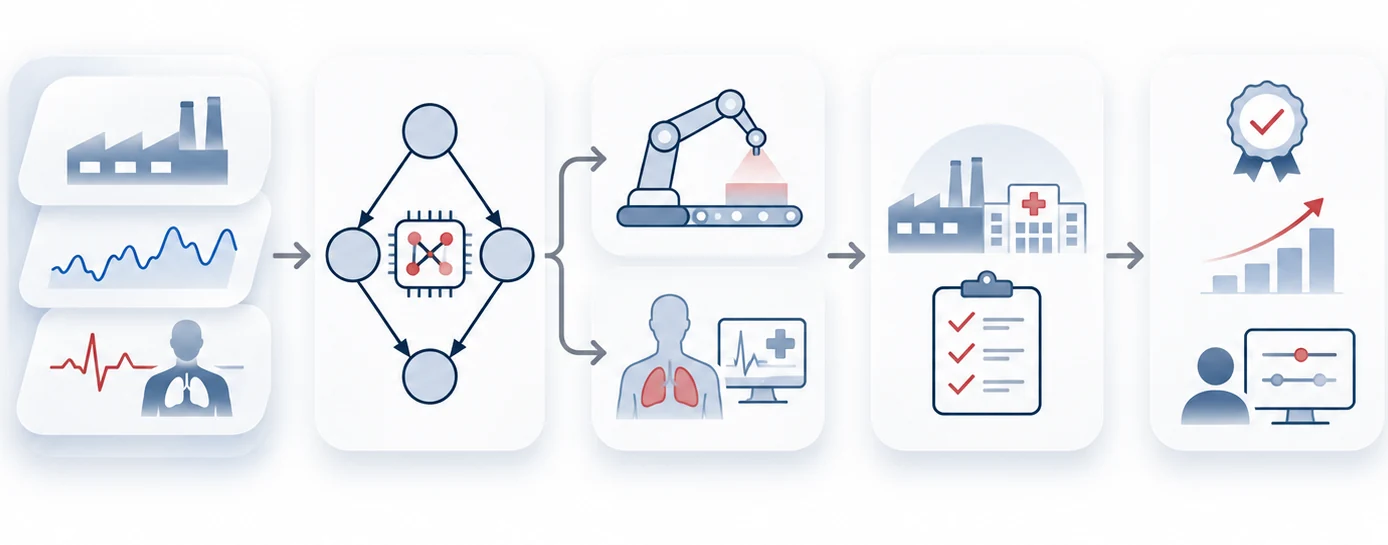
Manufacturing and human health
Our research is grounded in manufacturing and human health, where complex data and uncertainty shape important decisions. These settings motivate new theory and provide opportunities to test AI methods in real-world systems.
Explore the publications
Explore the papers behind these research directions.